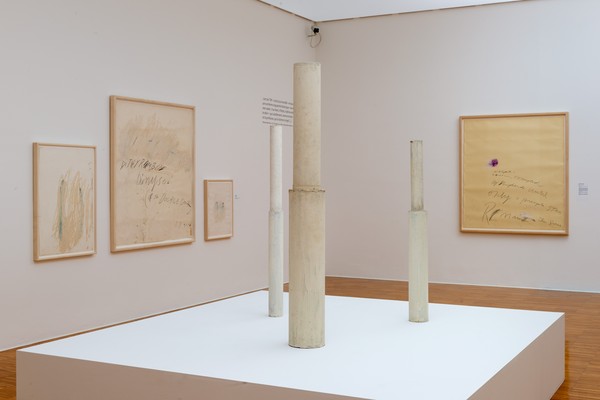
Cy Twombly, Morocco 1952/1953
March 4 – July 2, 2023
Travelled to:
Virginia Museum of Fine Arts, Richmond
September 13 – January 7, 2024
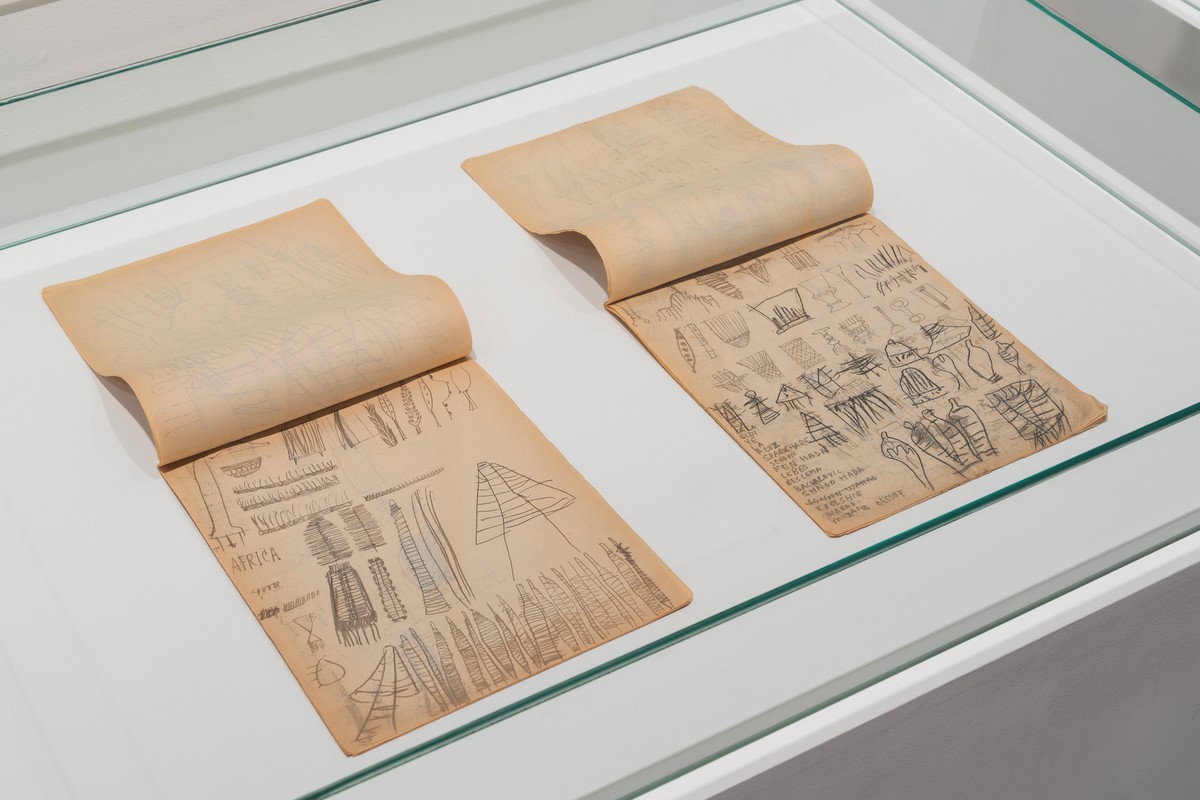
Installation view Musée Yves Saint Laurent, Marrakech
© Cy Twombly Foundation
Cortesy Jardin Majorelle SCA. Photo: Marco Cappelletti
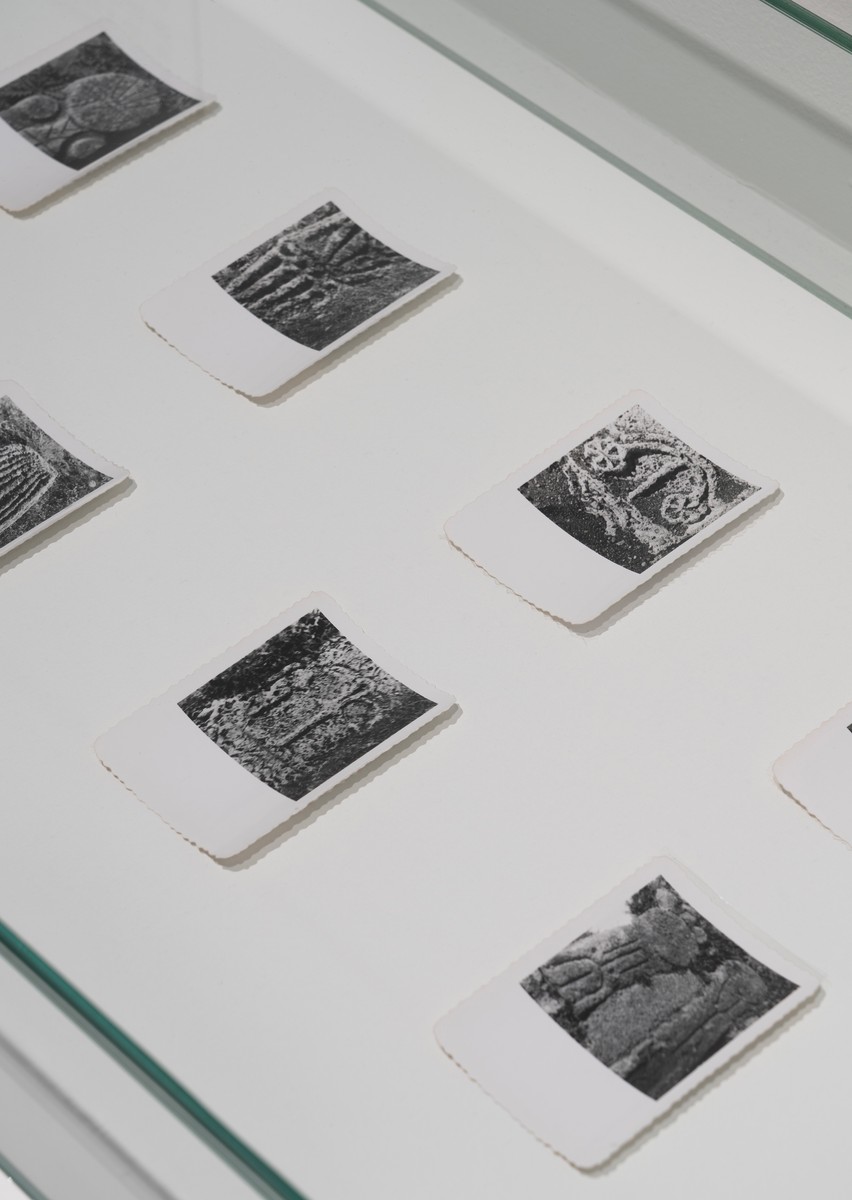
Installation view Musée Yves Saint Laurent, Marrakech
© Fondazione Nicola Del Roscio
Courtesy Jardin Majorelle SCA. Photo: Marco Cappelletti
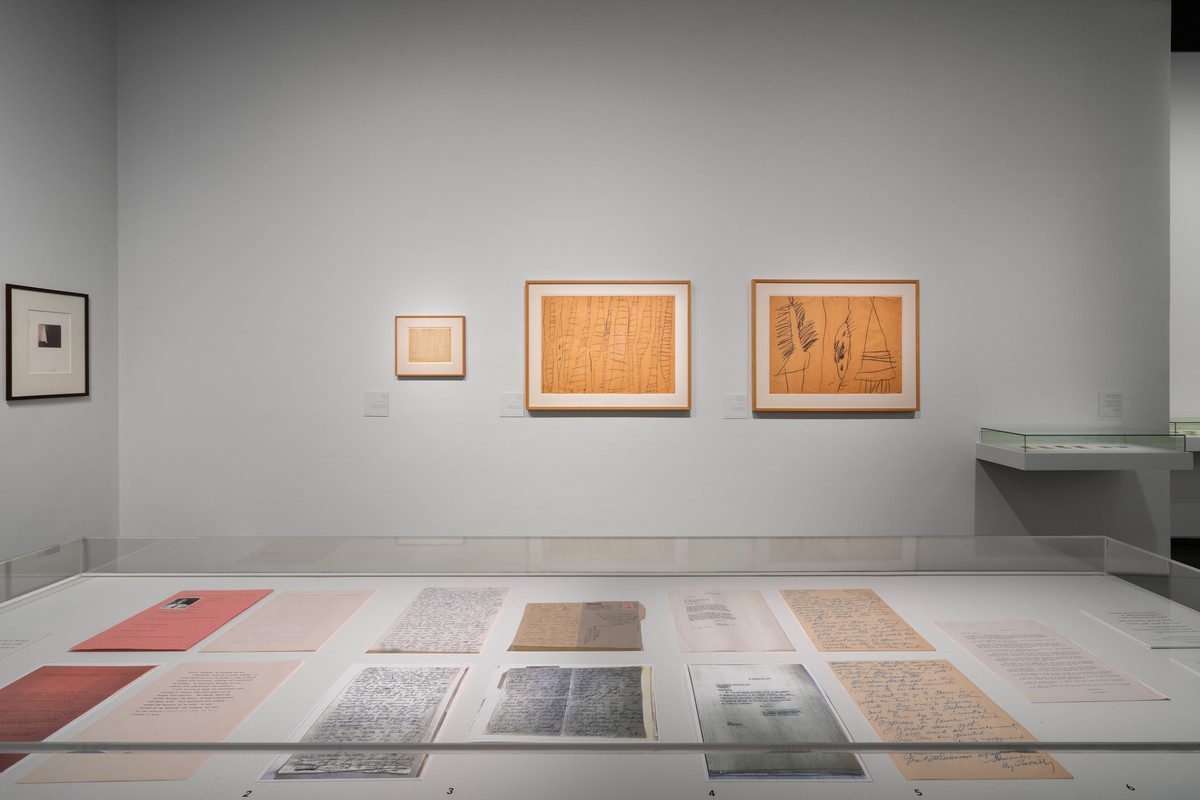
Installation view Musée Yves Saint Laurent, Marrakech
Artwork: © Cy Twombly Foundation
Courtesy Jardin Majorelle SCA. Photo: Marco Cappelletti
The exhibition Cy Twombly, Morocco, 1952/1953 opened at the Musée Yves Saint Laurent in Marrakech in March 2023 before traveling to the Virginia Museum of Fine Arts later that year. Curated by Nicola Del Roscio and organized with the Cy Twombly Foundation, the Fondazione Nicola Del Roscio, and the Fondation Jardin Majorelle, it was the first exhibition devoted to Twombly’s early journey through North Africa with Robert Rauschenberg.
In the winter of 1952 and spring of 1953, the twenty-five-year-old artist traveled through Tangier, Casablanca, Marrakech, Tiznit, and the Roman ruins at Volubilis. He and Rauschenberg carried a secondhand Rolleiflex camera, taking photographs that functioned as both travelogue and study. They encountered the writer Paul Bowles in Tangier, and Twombly wrote to Leslie Cheek Jr., director of the Virginia Museum of Fine Arts, letters now preserved in the museum’s archives. These documents, together with the Menil Collection’s loan of Twombly’s 1953 painting Volubilus, formed the exhibition’s core.
The curatorial frame presented Morocco as a threshold in Twombly’s formation. Less than a decade after World War II, he confronted visual languages that lay outside his academic training: the graffiti-like motifs of Amazigh culture, the worn stones of Volubilis, the patterns of vernacular architecture. For a young artist seeking a new vocabulary, these encounters offered a grammar of immediacy and chance that would echo throughout his later work.
Scholars have emphasized how quickly these impressions took root. In the accompanying catalog, Anne-Grit Becker links them to Twombly’s North African Sketchbooks (1953), where chance operations entered his practice. Natalie Dupêcher describes Italy and North Africa not as separate influences but as “classical and ancient sediments” layered together. What Twombly saw in Morocco — inscriptions on village walls, ruins half-consumed by time — prefigured his lifelong engagement with the fragment, the palimpsest, and the interplay of image and text.
The exhibition also highlighted Twombly’s early use of photography as a medium of experiment. Tina Barouti’s account of the Moroccan journey, also in the catalog, foregrounded the Rolleiflex images, attentive to graffiti, textiles, and ancient stones. These photographs parallel the artist’s developing fascination with surfaces where image and inscription converge.
The Musée Yves Saint Laurent published a catalogue to accompany the exhibition. It features the preface by Madison Cox and Nicola Del Roscio, and essays by Tina Barouti, Anne-Grit Becker, and Natalie Dupêcher.
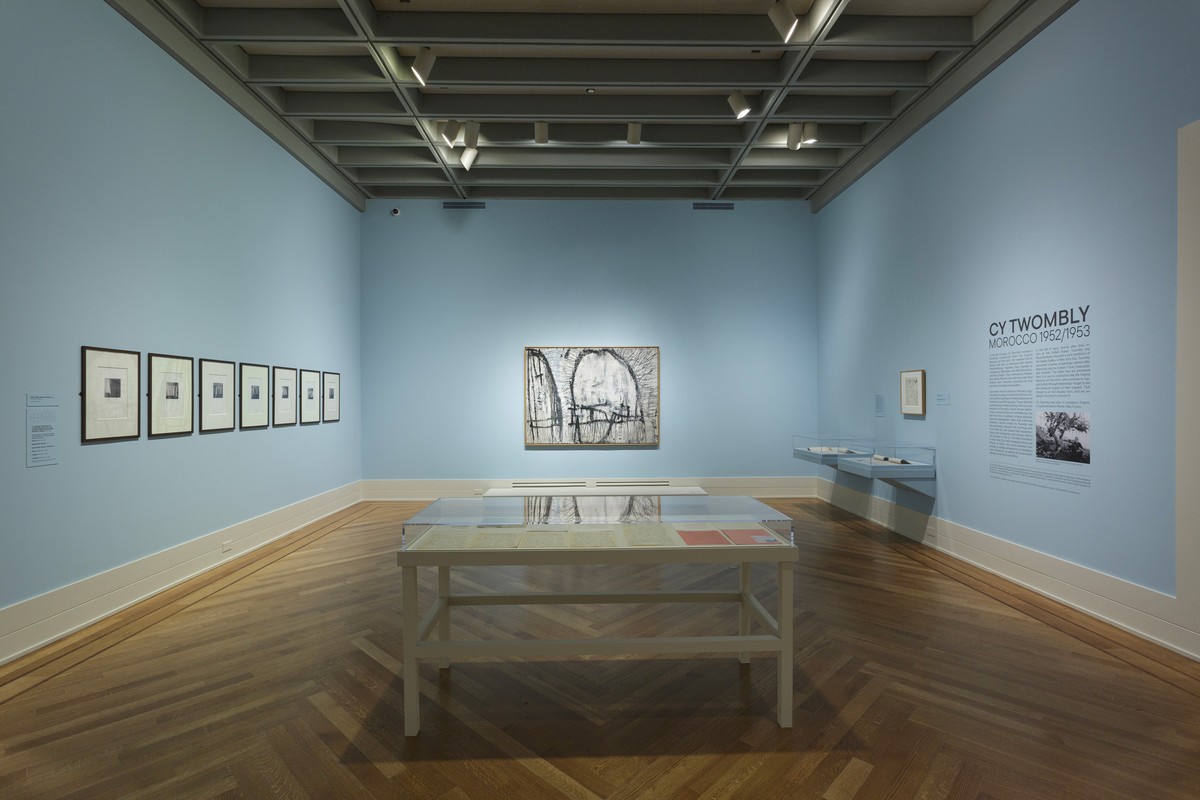
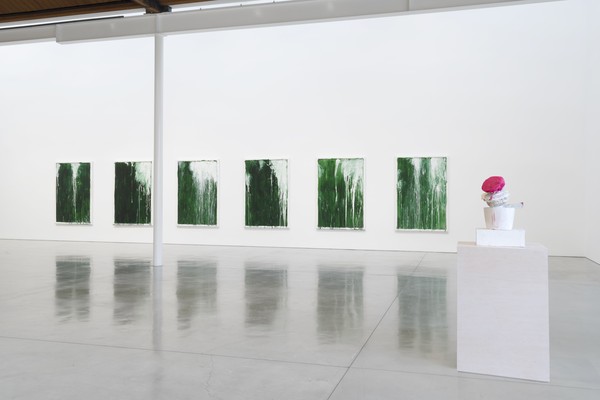
Installation view Virginia Museum of Fine Arts, Richmond
Artwork: © Cy Twombly Foundation
Courtesy Virginia Museum of Fine Arts. Photo: Sandra Sellars
To encounter these materials in Marrakech and Richmond was to see Twombly on the cusp of discovery: not yet the author of the “blackboards” or the grand Mediterranean cycles, but a young traveler alert to signs outside the canon of Western art. The graffiti of Amazigh villages and the ruins of Volubilis offered him both a counterpoint to postwar austerity and an invitation into a different temporality, where ancient, vernacular, and modern marks coexisted. Perhaps most significantly, the exhibition traced a moment when Twombly learned to see inscription as image and image as inscription — a discovery that shaped his art for the rest of his career.
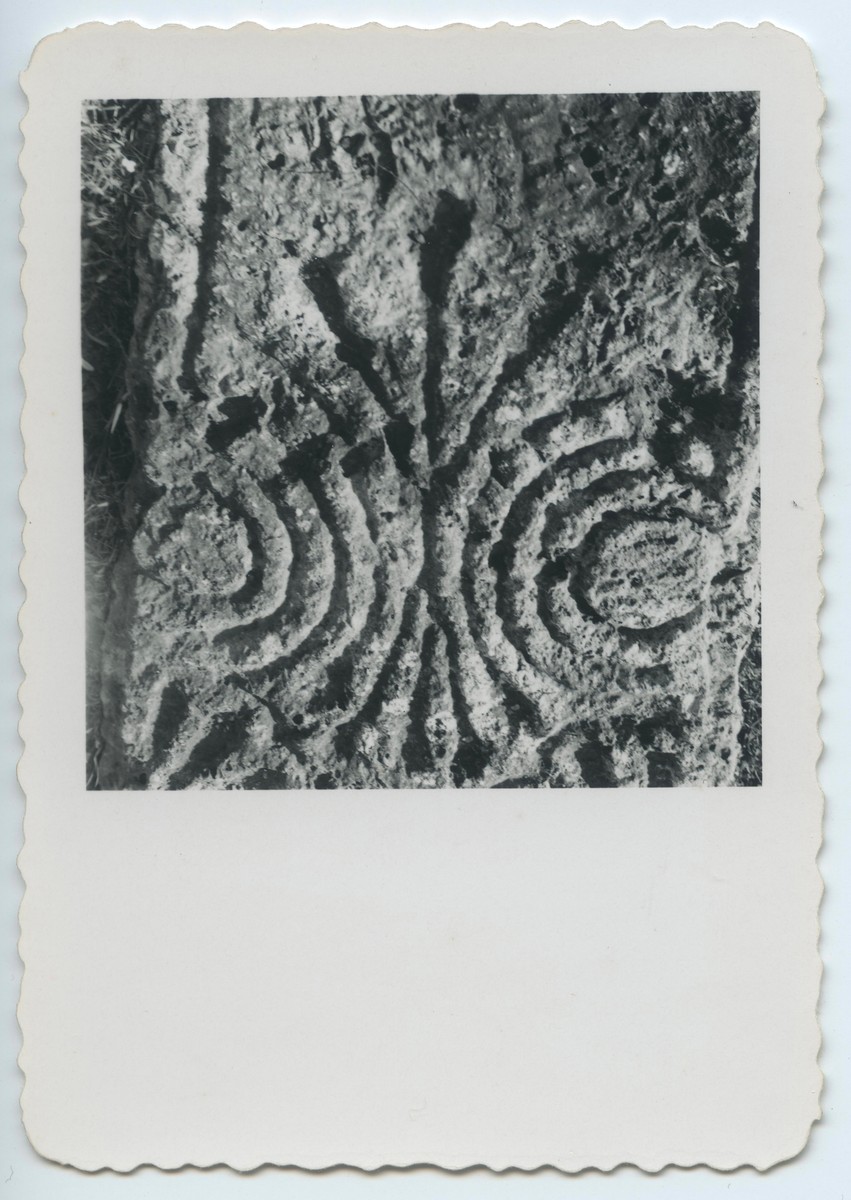
Cy Twombly, Untitled [Archeological Inscriptions, North African Trip (VII)]
Printed circa 1952. Gelatin silver print
© Fondazione Nicola Del Roscio
Learn more about Cy Twombly's journey to Morocco through the Episode One of In Perspective, which feature rare archival material kindly granted by the Virginia Museum of Fine Arts Archives and the short film, Cy Twombly: A Journey to Morocco, 1952–1953, directed by Andrea Bettinetti (Morocco, 2023, 13', Good Day Films).
For further information:
Musée Yves Saint Laurent, Marrakech
museeyslmarrakech.com
Virginia Museum of Fine Arts, Richmond
vmfa.museum